
Green Campus
Home > Green Campus
Green Campus Environment
“Going green begins not merely with isolated actions, but with a fundamental shift in consciousness.”
A Green Campus represents a comprehensive institutional approach that integrates environmental management, sustainability education, research, and community engagement. It emphasizes resource conservation, waste minimization, renewable energy adoption, and sustainable governance frameworks. By embedding sustainability into its operational and academic structures, a Green Campus contributes to long-term environmental protection, social responsibility, and economic viability, thereby supporting sustainable development goals.
GREEN CAMPUS AND ENVIRONMENTAL POLICY
Green Practice in Campus
To promote sustainable and environmentally friendly practices on campus, a green campus should be characterized by education and environmental practices. With a green campus, the college can take charge of reinventing its eco-friendly culture and creating innovative concepts to address the environment, social or economic challenges faced by humanity. The objective of C L Baid Metha College of Pharmacy is to enhance its facilities by providing electricity, water, and sanitation without any interference. To foster a campus that is environmentally conscious and sustainable, faculty, staff, and students must work together to promote environmental consciousness and encourage ecological culture in the surrounding community.
- Rain Water Harvesting
- Maintenance of Medicinal Garden
- Effective implementation of wet and dry disposal of wastage
- Conservation of Electricity
- Digital Library/ e-Learning Resources
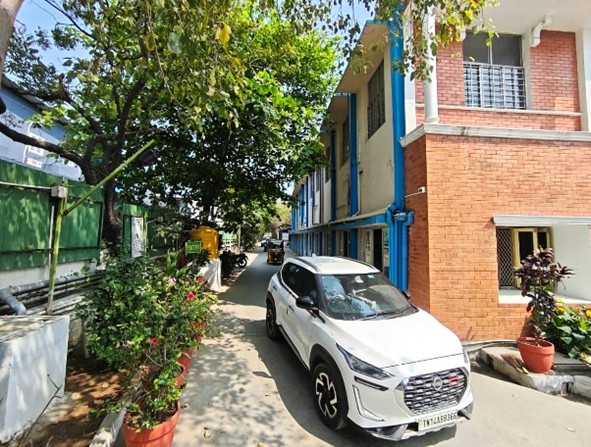
- Restricted Entry of Vehicles
- Water Treatment Plant
- Sewage Treatment plant (STP)
- Usage of battery vehicles and public transport
- Paperless office
- Plastic free campus
- Arboriculture
- Fire Alarm
Green Practice in Campus
Rainwater irrigation schemes in India use the concept of conserving rainwater as it comes and have the following advantages:
- Helps to satisfy ever-increasing demand for water
- Improves freshwater consistency and quantities
- Helps to control urban flooding
- Helps to minimize soil erosion
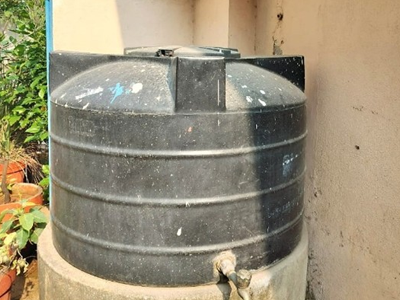
There is a high demand for water in college for laboratory purposes in experiments, drinking services, horticulture, etc. Water is also used for dining, canteen, toilet, laboratory and gardening purposes. The institute ensures that water wastage is reduced at an optimum degree by proper maintenance of taps and pipes. Water conservation is currently essential. To do this, thoughtfully rainwater collection trenches have been excavated to collect rainfall. Rainfall is appropriately directed to replenish groundwater reserves and reduce our dependency on municipal water sources. Staff members and students are both encouraged to conserve water.
Maintenance of Medicinal Garden
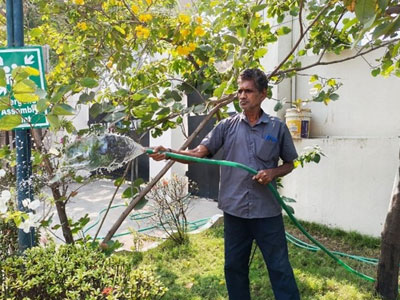
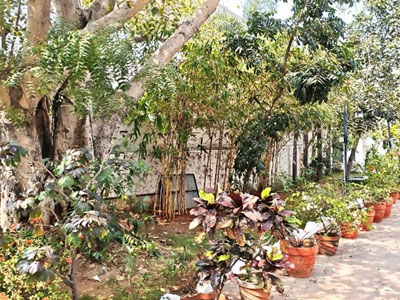
C L Baid Metha College of Pharmacy maintaining a well nurtured medicinal garden in an area of about 450 square feet. The garden which contains 25 number of plant species. Some of the species are listed below,
| Nerium oleander | Datura stramonium | Ocimum tenuiflorum |
| Cissus quadrangularis | Adhatoda vasica | Aloe barbadensis |
| Orthosiphon stamineus | Convolvulus pluricaulis | Senna auriculata |
| Solanum trilobatum | Catharanthus roseus | Calotropis gigantea |
Restricted Entry of Vehicles
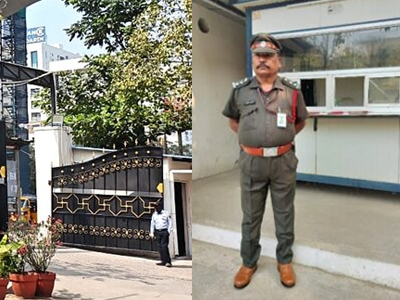
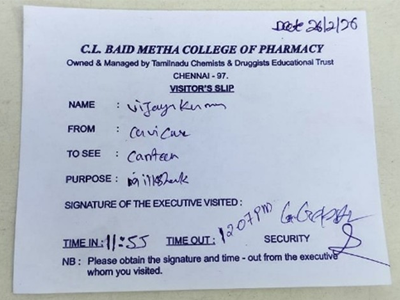
Our college provides safe and secure campus for its students and staff. The campus is protected from all sides by construction of concrete compound wall. CCTV cameras are installed for 24 hours surveillance. Besides this, the security guards are appointed on the shift basis for 24×7protection at the main entrance of the campus and other entry points of our institution. Our college is also well-equipped with safety requirements sufficient mounting of fire extinguisher at each lab, corridors, central store, animal house and wherever required and also Wheelchair ramp facility available for disabled persons.

Conservation of Electricity
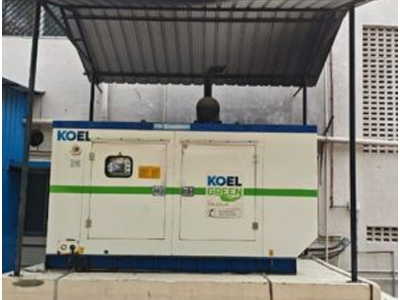
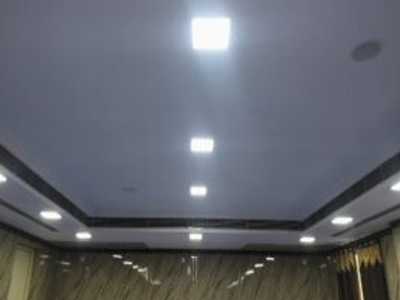
Electricity conservation is currently essential. Staff and students are instructed to conserve energy as much as possible. In our Campus, we are using power saving LED lights and bulbs for saving electricity. For Seamless Electricity, we are having a generator facility in our college to avoid electricity delay while work
Sewage Treatment Plant (STP)
Our campus has a well-maintained Sewage Treatment Plant (STP) to treat waste water generated from laboratories, canteen, and washrooms. The plant follows primary, secondary, and tertiary treatment processes to remove impurities and ensure safe water recycling. The treated water is reused for gardening, flushing, and campus maintenance, promoting water conservation and environmental sustainability. Through the STP, our institution demonstrates its commitment to a clean, green, and eco-friendly campus
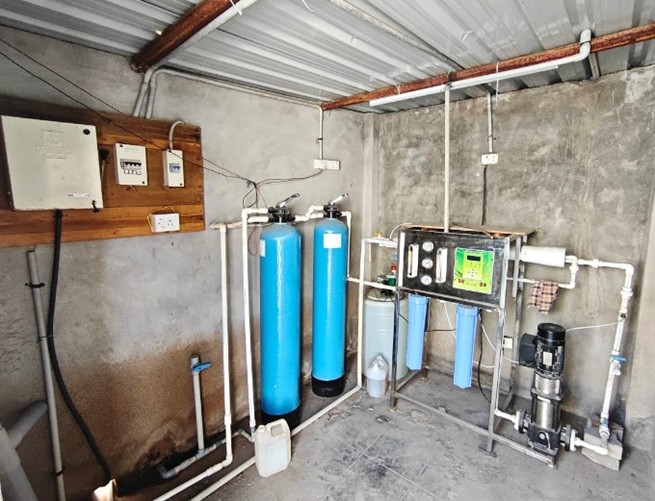
Water Treatment Plant (WTP)
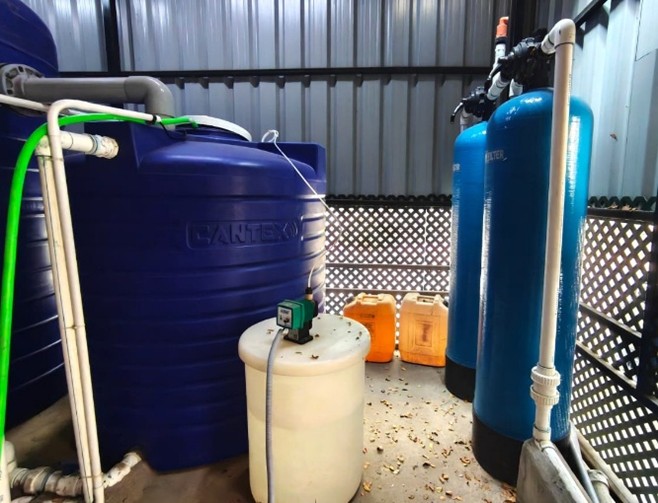
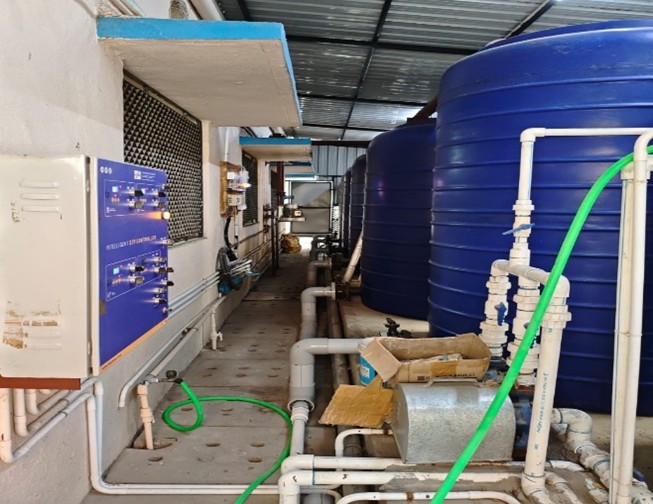
Our campus is equipped with a modern Water Treatment Plant (WTP) to ensure the supply of safe and clean water for drinking and daily use. The plant removes impurities, suspended particles, and harmful microorganisms through filtration and purification processes. Regular monitoring and quality checks are carried out to maintain water standards. The WTP reflects our institution’s commitment to health, hygiene, and providing a safe campus environment. Implemented RO water plant in the institution ensures access to safe, purified drinking water by removing contaminants, dissolved salts, and microbial impurities. It promotes student and staff health, reduces dependency on packaged water, and supports long-term cost-effective water management.
Plastic Free Campus
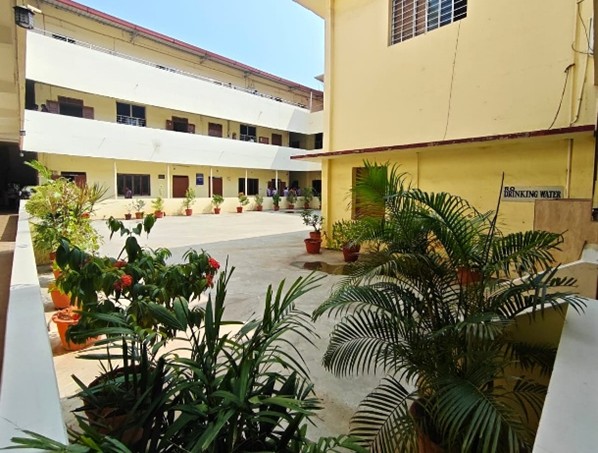
Education regarding the need to reduce plastic use is being provided to faculties and students. "Don't use Plastic" signs have been posted prominently throughout the campus.
Paperless Office
To minimize the quantity of paper required in distribution, all employee circulars are available online. Course plans, lesson plans, and academic schedules are sent to the students via group email. Students are advised to use both sides of the paper to make records. All terminals equipped with printers are utilizing the double-sided printing feature. The use of one-sided printed paper is encouraged as an environmentally responsible practice. Employees do their rough work on one side printed sheets.
Arboriculture
The green atmosphere of the Campus is mostly due to tree planting, which protects the ecosystem. Annual tree-planting programs are organized by the Department of Pharmacognosy to increase the quantity of green space on campus. Saplings are planted to raise students' awareness of the environment.
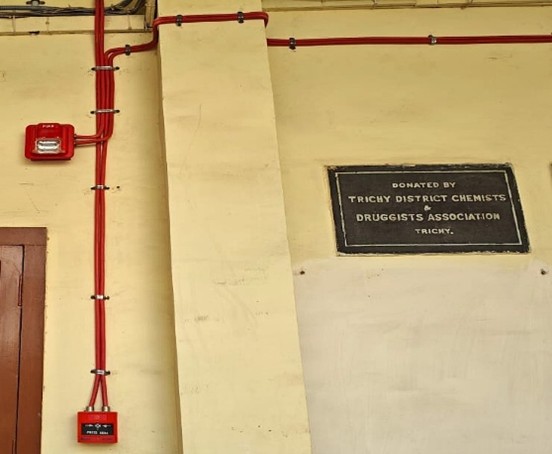
Fire Alarm
Implementation of a fire alarm system in the institution ensures early detection of smoke or heat and provides immediate audio-visual alerts for quick evacuation. The installation is integrated with clearly marked emergency exits and a centralized control panel for effective monitoring. Proper placement of fire extinguishers at accessible points such as laboratories, corridors, and electrical rooms helps control small fires before they spread. Regular inspection, maintenance, and fire safety training programs are essential to ensure preparedness and safety compliance.
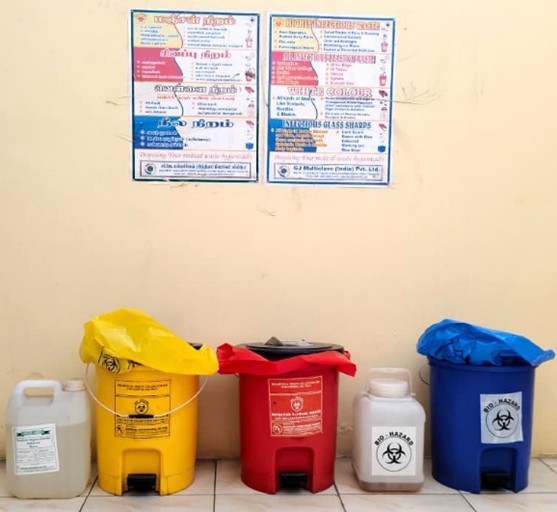
Effective implementation of wet and dry disposal of wastage
Effective implementation of wet and dry waste disposal in the institute helps to maintain hygiene, promotes environmental sustainability, and ensures proper waste management. The process begins with source segregation, where separate bins are provided for wet waste (biodegradable waste) and dry waste (non-biodegradable waste). Proper color-coded bins and clear labelling were placed in classrooms, corridors, laboratories, canteens, and common areas to encourage correct disposal practices. Wet waste collected from the institution can be processed through composting or vermicomposting, converting organic waste into nutrient-rich manure for gardening purposes. Dry waste collected separately and sent for recycling through authorized waste management agencies.
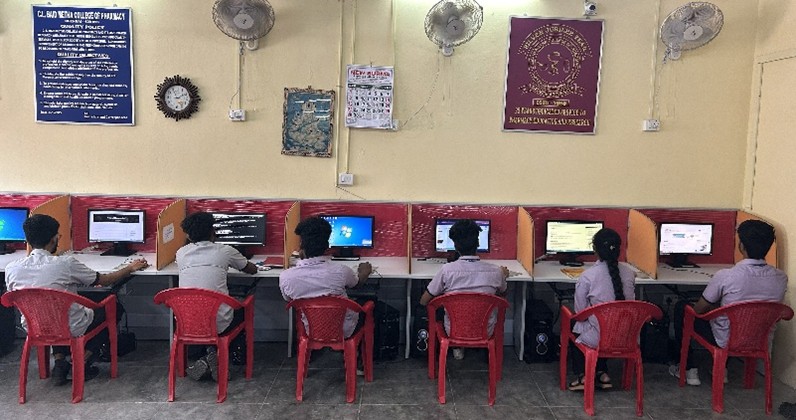
Digital Library/ e-Learning Resources
The implementation of a digital / e-Learning resources library in the institution enables students and faculty to access academic materials such as e-books, e-journals, research databases, and lecture resources through computers and internet-based platforms. The institution establishes the necessary infrastructure including computers, high-speed internet, and digital library software to manage and organize resources efficiently. Subscriptions to academic databases and online repositories are provided to support learning and research activities. Students and staff are given login access to utilize these resources anytime within or outside the campus. Regular training and awareness programs are also conducted to help users effectively use digital learning platforms.
Usage of battery vehicles and public transport
The usage of battery vehicles and public transport in institution promotes eco-friendly and sustainable campus mobility. Battery-operated vehicles such as electric bikes are used within the campus for transporting students, staff, and materials, reducing fuel consumption and air pollution. The institution also encourages the use of public transport like buses and shared vehicles to minimize the number of private vehicles entering the campus. This practice helps in reducing traffic congestion, carbon emissions, and noise pollution within the institution. Awareness programs are conducted to promote green transportation among students and staff.